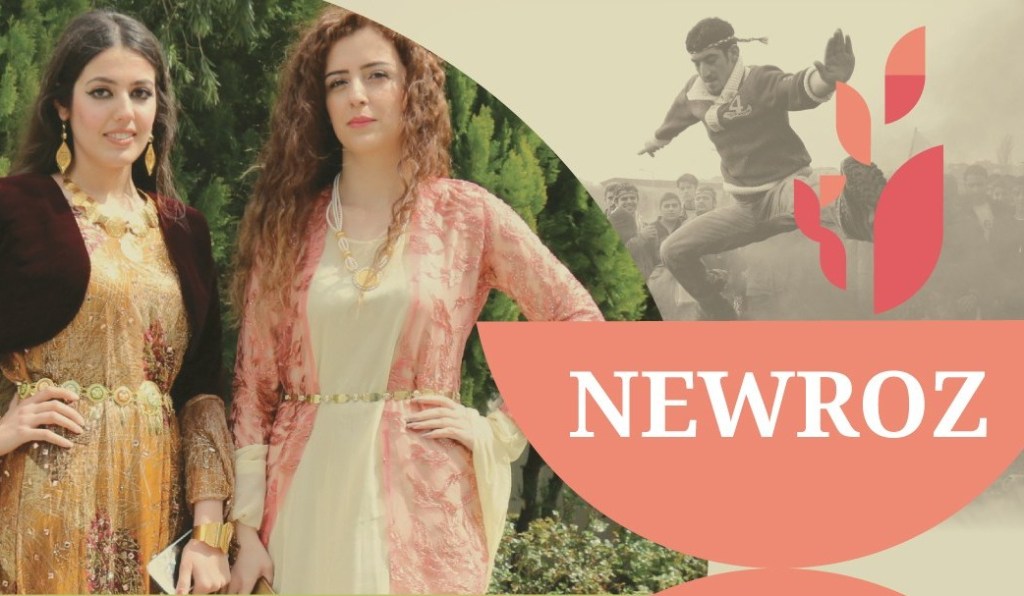
In January, I started on a project for an event celebrating Newroz (Also known as Nowruz). It’s referred to as the Persian or Kurdish New Year but many different cultures celebrate this important holiday from the Middle East. And of course, as a person who is not familiar with this cultural celebration, I made the mistake of designing something that didn’t quite represent inclusivity. Don’t get me wrong, I really loved my first design, but I would much rather deliver a product that makes my client happy and one that makes their target audience feel completely included. So to get to that point, I really needed to learn more and that’s what this post is all about.
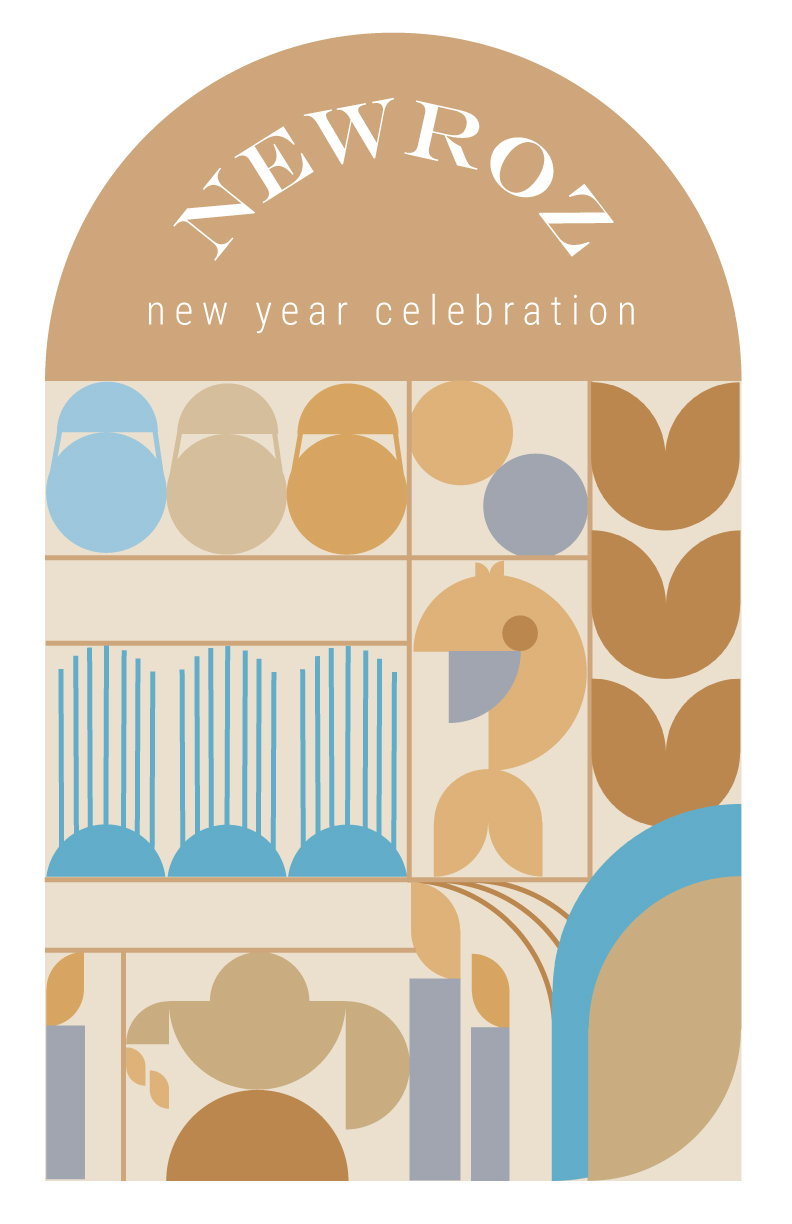
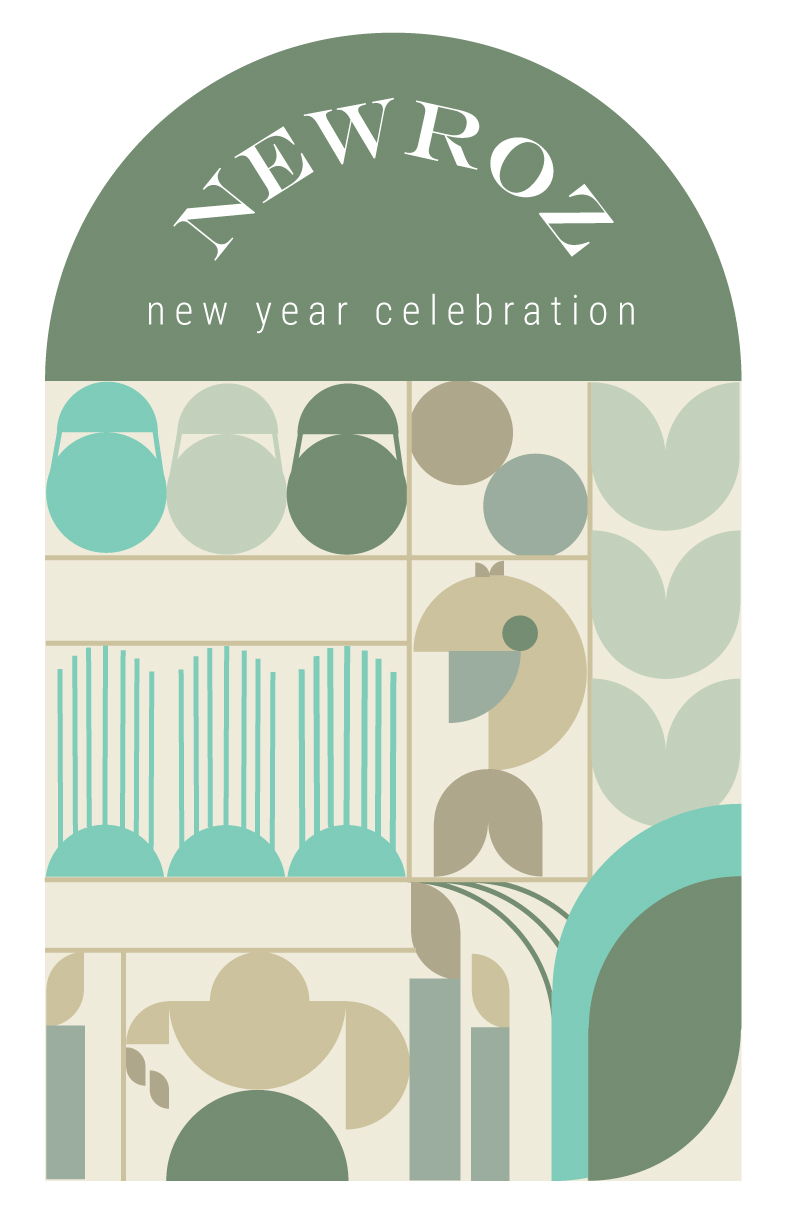
One of the first things I learned about Newroz was some cultures will celebrate the holiday with a table setting called a Haft-sin. This Haft-sin is like an altar decorated with objects that represent new beginnings of spring with flowers, sprouts, and painted eggs. It often includes a mirror for reflecting, gold fish for luck, coins for prosperity, candles and more. Can you spot some of those things in my first designs above? It reminded me of how we celebrate Day of the Dead in my own culture, and that connection is probably why I chose to explore this imagery at first.
Side note: speaking of my heritage, I recently made the connection that indigenous peoples from Latin America, such as the Aztecs, also celebrate the New Year in March with the beginning of spring. And they even share some traditions like burning away the things we should let go of. I’m sure this is a Ted Talk for another day but I found it very interesting and just had to mention it.
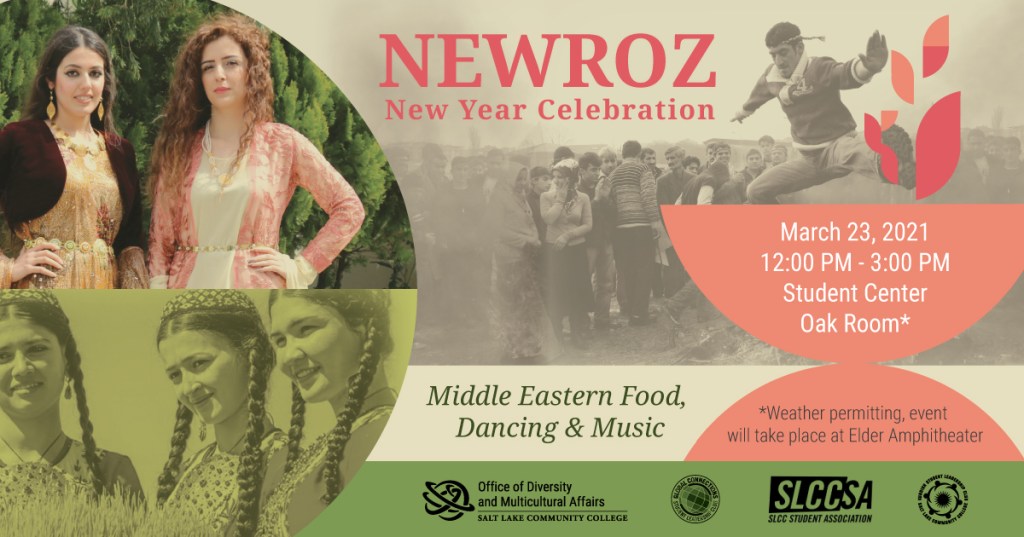
Now, in the Middle East, Newroz is celebrated in many ways. Only SOME groups celebrate with this Haft-Sin tradition and I was directed to be more inclusive. So, I decided to incorporate suggested images into the aesthetic I started with.
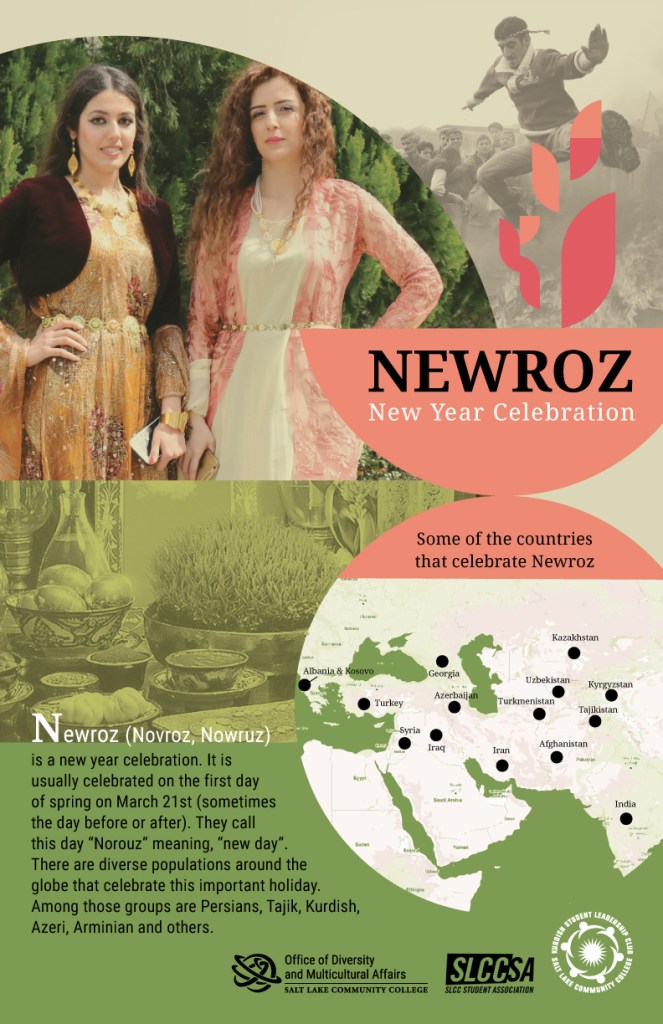
As you can see here with this information poster design, I kept some of that geometric design but infused images that help illustrate a wider sense of diversity. I learned how some cultures will celebrate with dances and traditional clothing, others will light bon-fires to jump over, some celebrate on the Wednesday before Newroz (which is timed with the Equinox) and others will celebrate for thirteen days. And there are even more traditions in addition to these! I actually still have a lot to learn and this post is in no way a comprehensive summary, it simply an introduction. But as you can see from the poster above, different countries and cultures celebrate this holiday and clearly no one should group them all together or you lose the beautiful diversity and meaning behind this special time. Especially, since this particular celebration is thousands of years old. So, I’m thrilled to know that the design will help everyone who celebrates Newroz this Saturday feel welcome and included. Happy New Year and happy spring!
 Lola Reyes-Grant