Case Study

Project Overview
This summer I developed a multi-phase personalization initiative designed to connect education with e-commerce and reduce barriers to purchase. The project began with an interactive Compost Tea Recipe Customizer and expanded into a Garlic Selector Tool. Both tools leveraged company product listings and growing guides to help gardeners make confident decisions, resulting in improved conversions and higher customer engagement.
The Challenge
While the company growing guides were popular, they often required customers to translate static information into actionable purchases. For example, a PDF compost tea recipe sheet was informative but the extensive mix & match ingredient list added a layer of complexity that potentially added friction to clarity and conversion. The Garlic Collection pages could also be overwhelming when choosing from over 30 varieties! We needed tools that simplified decision-making, guided customers toward the right products, and strengthened trust in our brand’s expertise.
Strategy
- Phase One: Compost Tea Recipe Customizer
- AB Test: Compared a static PDF recipe + shopping list against an interactive online recipe builder.
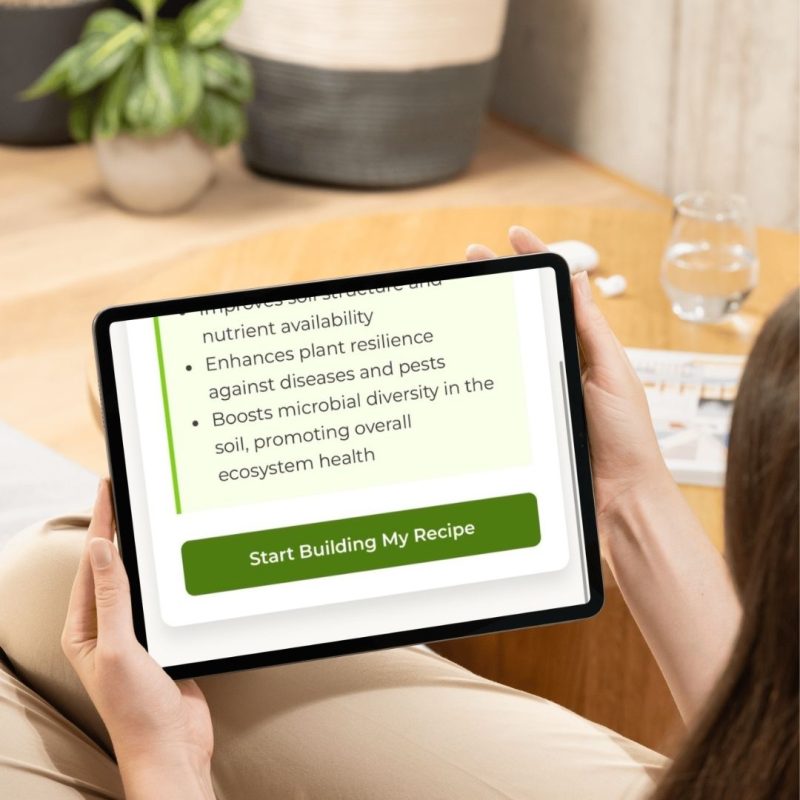
I utilized Canva AI to create this experience (previewed in the gif). - Interactivity Wins: The interactive tool allowed customers to customize their tea based on product preferences (and what they may have already at home), application and budget and then generated a tailored ingredient list with direct links to products.
- Results: The interactive tool outperformed the static PDF in engagement and conversions. Performance was 23% higher with the interactive tool, the store still sold out of many recipe ingredients.
- AB Test: Compared a static PDF recipe + shopping list against an interactive online recipe builder.
- Phase Two: Garlic Selector Tool
- Prototype Development: I designed the tool in Canva AI and mapped garlic variety attributes (climate suitability, flavor profiles, storage longevity, culinary uses) to customer needs using product description pages.
- User-Centric Design: A short quiz asked gardeners about their climate, cooking preferences, and storage goals, dynamically recommending the best garlic varieties. I handed off the prototype to our web developers and they easily translated the interactive with our Shopify website.
- Conversion Optimization: Instead of broad collection pages, the tool directed customers to personalized product matches, increasing purchase confidence and reducing cart abandonment.
Results
📈 Interactive Compost Tea tool outperformed static PDFs in engagement and revenue. Conversion rate was 23% higher for the interactive.
📈 Customer demand surged—many ingredients sold out shortly after launch.
📈 Garlic Selector users converted at a higher rate than those browsing the standard product collection in the first 30 days. Over the season the selector declined in conversion rate as we chose to market the collection as the default landing page for most campaign. However, these tools have already proven potential to test further on our next seasonal products.
📈 Both tools positioned the brand as a trusted gardening partner by integrating education directly into the shopping journey.
Key Takeaways
- Interactive Beats Static: Customers respond strongly to hands-on tools that connect learning to buying.
- Personalization Drives Conversions: Guiding customers to products that fit their specific needs reduces decision fatigue and increases sales.
- Education + E-Commerce = Loyalty: These tools elevated the brand from a retailer to an expert resource, deepening customer trust and repeat engagement.
- Something I would do differently is integrate interactive garden layouts or and video tutorials.
 Lola Reyes-Grant